“Does it hurt?” is the number one question people ask before getting a tattoo. The truth: yes, tattoos involve pain — but the intensity depends on placement, pain tolerance, and your body’s unique response. In 2025, tattooing technology has advanced, but the experience still involves needles penetrating the skin. Understanding a tattoo pain chart helps you prepare mentally and physically for your session. This guide breaks down the most and least painful areas to get tattooed, using insights from artists, medical professionals, and client experiences.
1. Factors That Influence Tattoo Pain
Pain perception is subjective, but several factors consistently affect how painful a tattoo feels:
- Placement: Areas with thin skin, lots of nerve endings, or bones close to the surface hurt more.
- Size and Detail: Larger, more detailed tattoos require longer sessions, increasing discomfort.
- Needle Technique: Shading and coloring can feel more painful than linework.
- Skin Sensitivity: Areas like ribs or inner thighs are naturally more sensitive.
- Individual Tolerance: Pain thresholds vary by person, mood, and even menstrual cycles for women.
2. Tattoo Pain Chart – From Most to Least Painful
Here’s a breakdown of common tattoo placements and how painful they are ranked in 2025.
Most Painful Areas
- Ribs: Known as one of the most painful spots due to thin skin, proximity to bone, and expansion with breathing.
- Spine: Direct contact with vertebrae nerves makes this extremely sensitive.
- Feet and Ankles: Little fat or muscle cushioning; highly bony areas.
- Hands and Fingers: Thin skin, nerves, and constant use during healing make this painful and tricky.
- Neck and Throat: Thin skin, vibrations, and sensitivity make this tough for beginners.
Moderately Painful Areas
- Upper Arm (Outer): One of the most manageable areas, but shading can add discomfort.
- Calves: Muscle cushioning reduces pain, but long sessions may cause soreness.
- Shoulder Blades: Manageable pain level, though closer to bone can sting more.
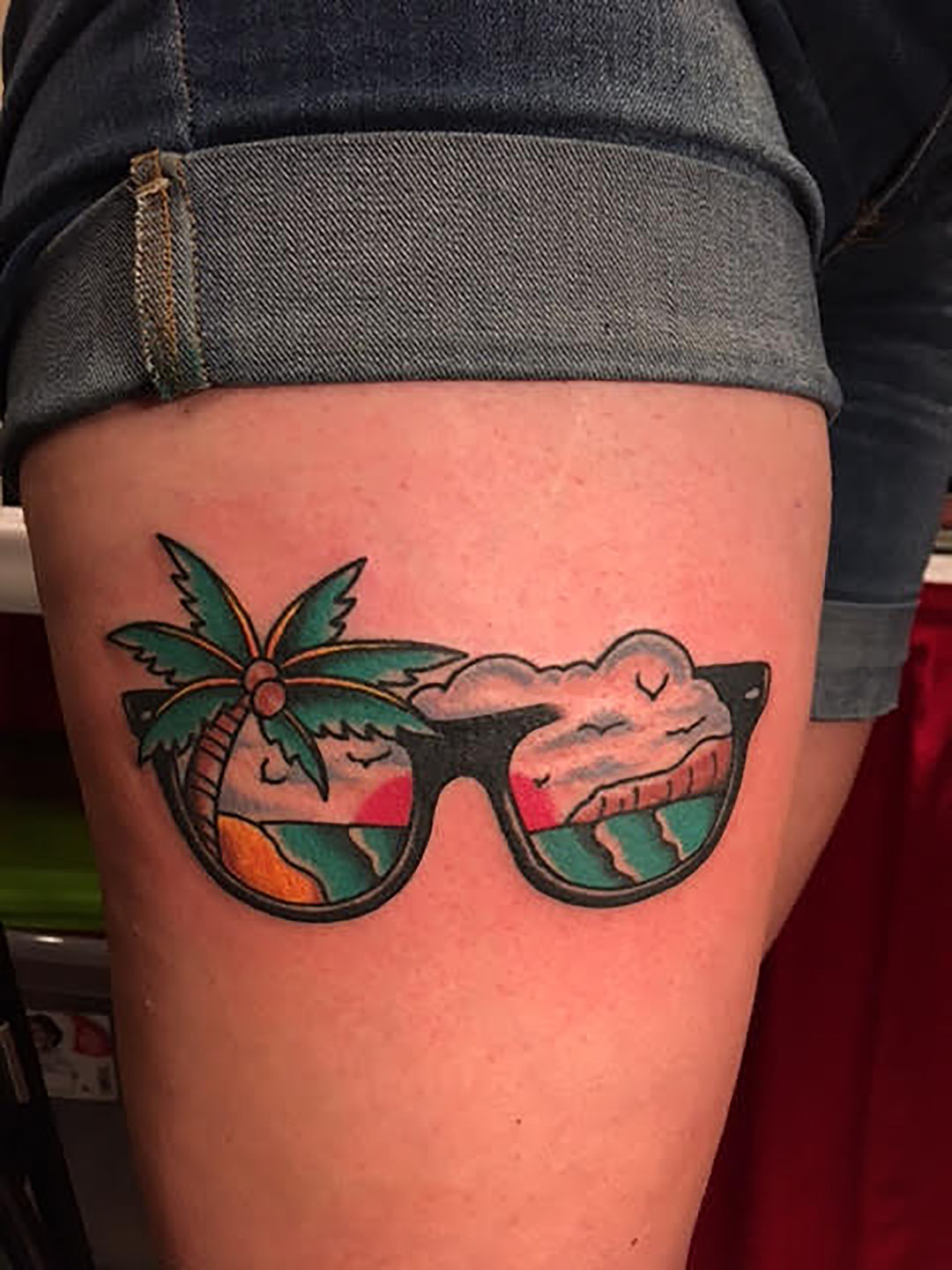
- Thigh (Outer): Popular choice in 2025 due to large canvas and moderate pain.
Least Painful Areas
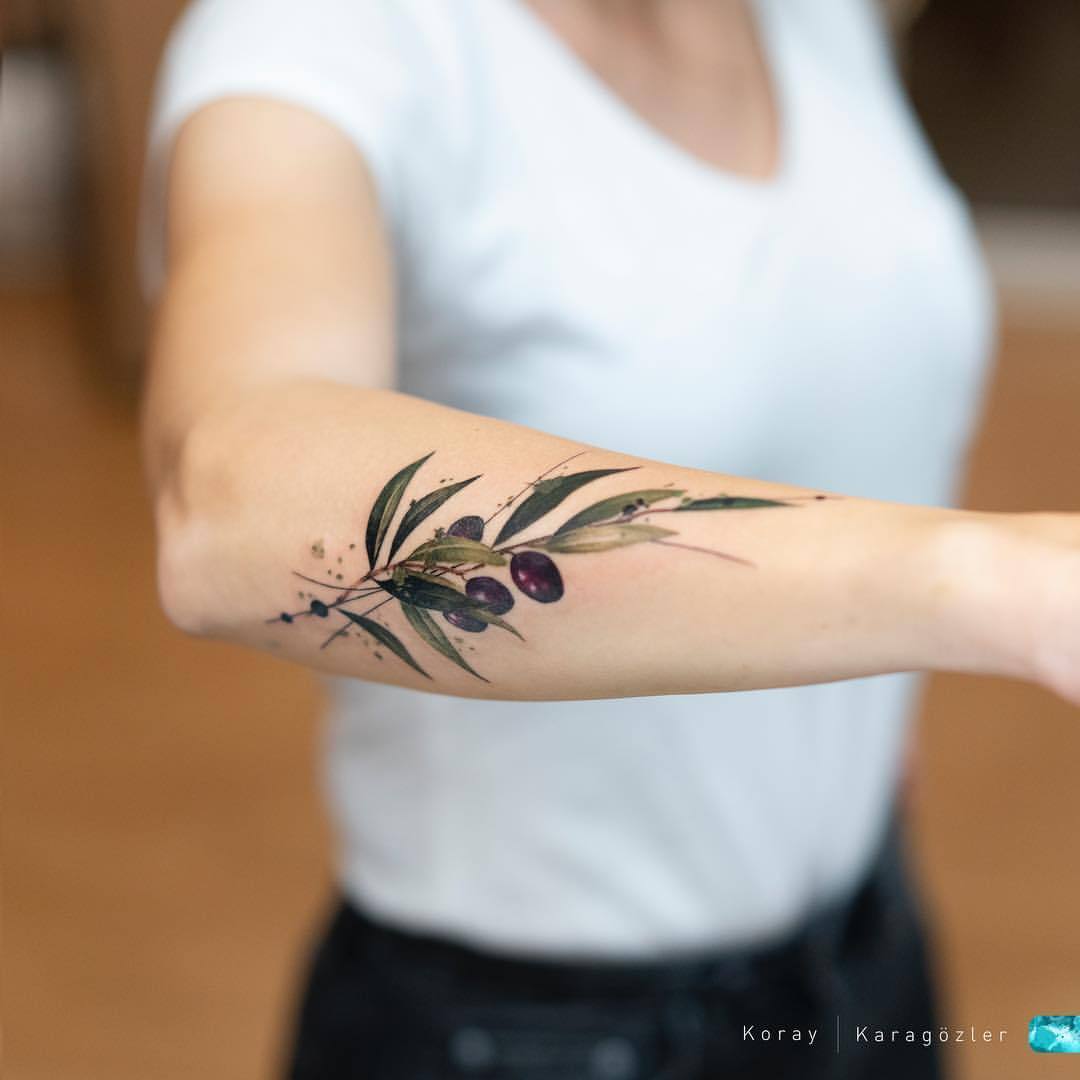
- Forearms: A common beginner placement; manageable pain with lots of visibility.
- Upper Thigh: Muscle and fat create cushioning, making it easier for longer sessions.
- Buttocks: Thick tissue makes this one of the least painful areas, though not always popular.
3. Pain by Tattoo Style
The tattoo style you choose can affect pain levels:
- Fine Line / Minimalist: Less painful since it requires fewer passes.
- Shading and Realism: More painful due to repeated needlework and large areas of coverage.
- Blackwork: Very painful because solid black areas require multiple layers of ink.
- Watercolor Tattoos: Moderate pain; blending techniques take time and can increase sensitivity.
4. Pain-Management Tips in 2025
Modern practices make tattooing more comfortable than in the past. Here’s how to prepare:
- Eat before your session: A full stomach stabilizes blood sugar and reduces dizziness.
- Stay hydrated: Hydrated skin takes ink better and heals faster.
- Rest well: Fatigue lowers pain tolerance.
- Topical numbing creams: More artists in 2025 allow safe numbing creams, though opinions vary.
- Breathe steadily: Slow, deep breaths help regulate nervous system responses.
5. Tattoo Placement and Healing Pain
Pain doesn’t stop once the tattoo is finished. Healing can be uncomfortable depending on placement:
- Hands/Feet: Constant use slows healing, causing soreness.
- Ribs/Stomach: Movement from breathing or bending can prolong discomfort.
- Joints: Tattoos near elbows or knees stretch with movement, making healing itchy and painful.
6. 2025 Trends in Tattoo Pain Perception
Interestingly, tattoo culture in 2025 is shifting how we talk about pain:
- Empowerment tattoos: Many women embrace pain as part of the transformative journey.
- Community sharing: Social media apps share “pain maps” where users rate tattoo experiences.
- Technology: Some artists use low-vibration machines that slightly reduce pain compared to older machines.
Frequently Asked Questions
What is the most painful tattoo spot for women?
The ribs and spine are considered the most painful placements in 2025 due to thin skin and nerve density.
What is the least painful area for a first tattoo?
The outer forearm and thighs are excellent choices for beginners who want manageable pain levels.
Do tattoos hurt more with age?
Pain perception may increase with age as skin becomes thinner, though many older clients still tolerate tattoos well.
Does tattoo size affect pain?
Yes, larger tattoos mean longer sessions, which often feel more painful over time compared to smaller designs.
Are numbing creams safe in 2025?
Yes, many studios allow safe numbing products today, but always check with your artist before applying.
Conclusion
Tattoo pain is part of the journey, but with the right preparation, knowledge, and mindset, it doesn’t have to be intimidating. In 2025, women have more information and tools than ever to choose the right placement, manage discomfort, and embrace tattooing as both an art form and an empowering experience. Remember: pain is temporary, but your ink is forever.